
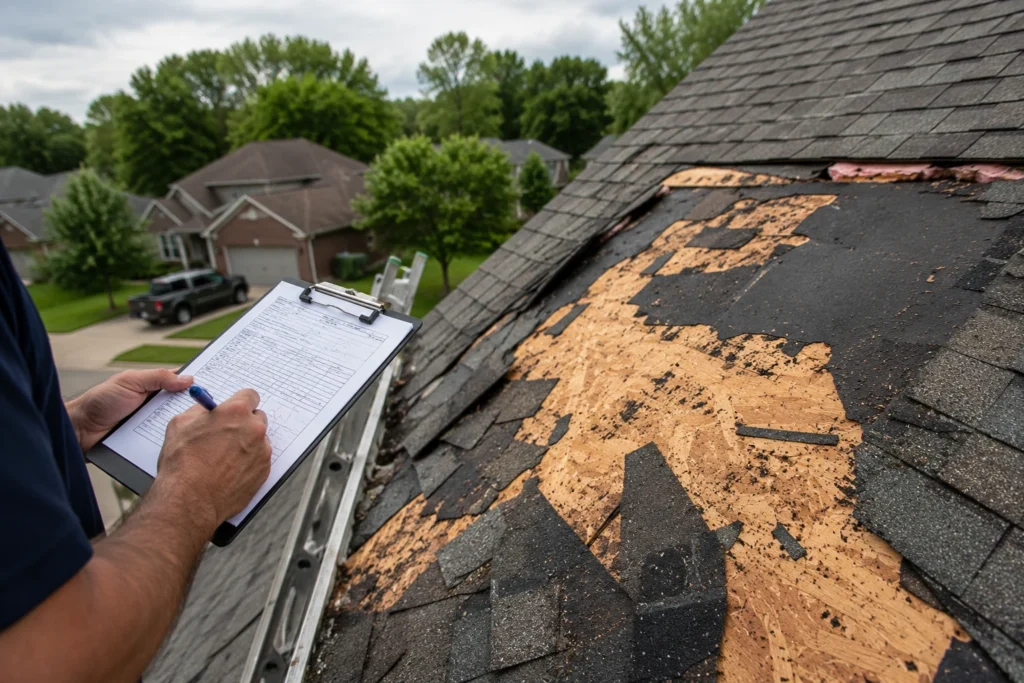
A severe hailstorm can last only a few minutes. The financial consequences, however, can follow a homeowner for months or even years. For Texas property owners, a roof hail damage insurance claim Texas homeowners file after a major storm is often the difference between a fully restored property and expensive out-of-pocket repairs. Unfortunately, many people don’t realize the extent of the damage until leaks appear, shingles fail, or their insurance carrier issues an estimate that falls short of what is actually needed.
I’ve seen this happen repeatedly. A homeowner notices a few dents on a gutter and assumes the roof is fine. Months later, hidden damage begins causing problems inside the home. By then, the claim process becomes more complicated. If you own a home in La Porte, understanding how hail affects different roofing materials, how to document damage properly, and how insurance claims work can help protect both your roof and your financial interests. This guide covers everything you need to know.
Understanding Hail Damage and Why It Matters
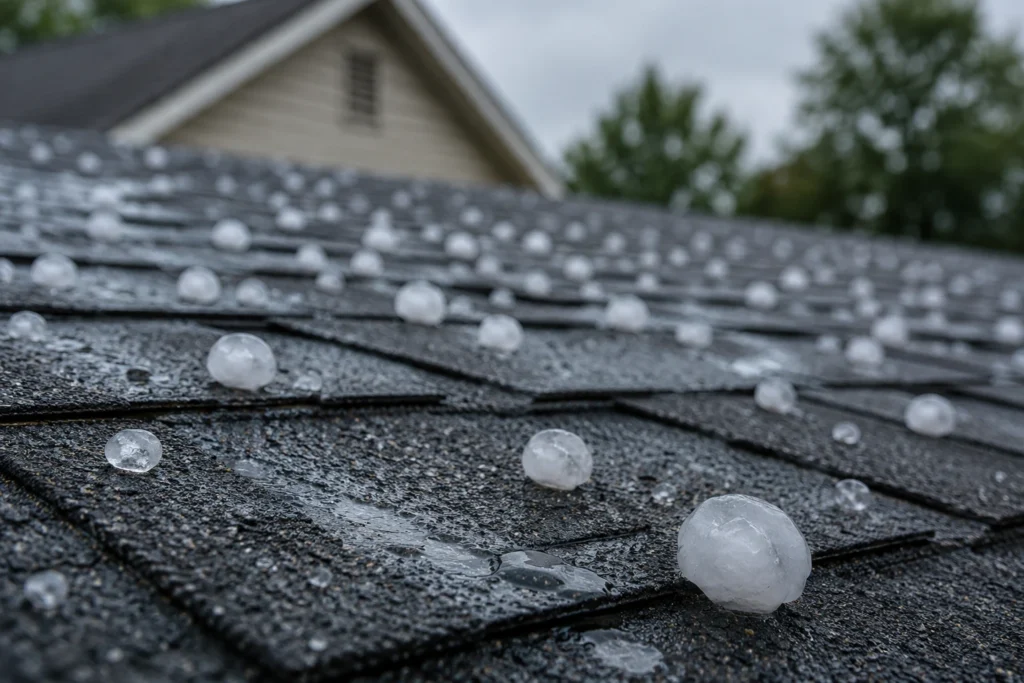
Not all hailstorms create the same level of destruction. A storm producing quarter-sized hail can cause significant roofing damage. Larger hailstones can create widespread impacts that compromise an entire roofing system. The challenge is that hail damage is not always obvious. Some impacts leave visible marks immediately. Others weaken roofing materials in ways that only become apparent months later.
Common consequences include:
- Roof leaks
- Premature roof aging
- Reduced weather resistance
- Interior water damage
- Mold growth
- Structural deterioration
The sooner damage is identified, the stronger your position becomes when pursuing a hail damage on roof insurance claim.
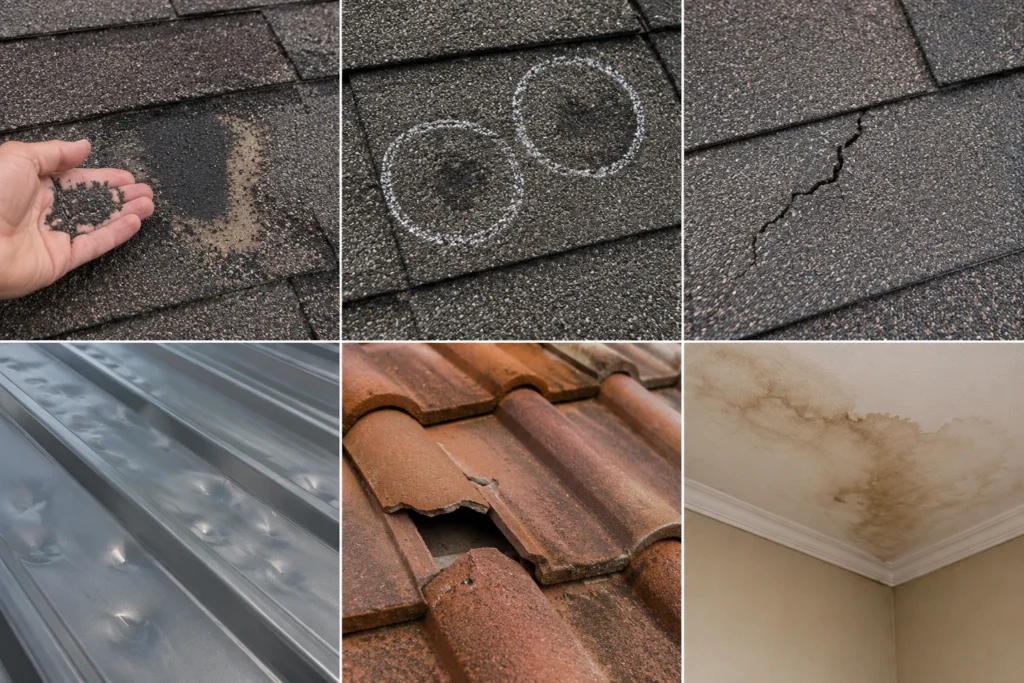
Common Signs of Roof Hail Damage
While every roof is different, homeowners should watch for:
| Sign | What It May Indicate |
|---|---|
| Granule loss | Asphalt shingle damage |
| Circular bruises | Impact damage |
| Cracked roofing materials | Structural compromise |
| Dented metal surfaces | Hail impact evidence |
| Broken tiles | Functional roof damage |
| Water stains indoors | Active leaks |
Even minor-looking damage can lead to significant future costs. That’s why professional inspection is critical.
How to Identify Hail Damage by Roof Type
Different roofing systems react differently to hail impacts. Understanding those differences can help homeowners recognize problems earlier.
Asphalt Shingle Roof Hail Damage
Asphalt shingles remain one of the most common roofing materials throughout Texas. When hail strikes asphalt shingles, it often knocks away protective granules. Those granules serve an important purpose. They shield the asphalt layer from ultraviolet exposure and weather deterioration.
Signs of hail damage on asphalt shingles include:
- Dark impact spots
- Granule loss
- Soft bruising
- Fractured shingles
- Exposed fiberglass matting
One mistake homeowners frequently make is assuming a roof is unharmed because shingles remain attached. That can be misleading. A shingle may stay in place while still suffering significant impact damage that shortens its lifespan.
Metal Roof Hail Damage
Metal roofing systems are generally durable, but they are not immune to hail. The primary concern is determining whether damage is cosmetic or functional.
Common indicators include:
- Dents
- Impact depressions
- Scratched coatings
- Damaged seams
- Fastener issues
Insurance carriers sometimes argue that dents are purely cosmetic. However, severe impacts can affect performance, water shedding, and long-term durability. Each situation requires careful evaluation.
Tile Roof Hail Damage
Tile roofs present unique challenges. Clay and concrete tiles can crack under hail impacts. The damage may appear minor from the ground while actually compromising water resistance beneath the surface.
Typical warning signs include:
- Cracked tiles
- Broken corners
- Displaced sections
- Exposed underlayment
Tile roofing systems often require close inspection because hidden damage frequently exists beneath visible fractures.
Flat and Low-Slope Roofing Systems
Commercial buildings and some residential properties utilize low-slope roofing systems.
These roofs can suffer:
- Membrane punctures
- Surface fractures
- Seam damage
- Water pooling issues
Because impacts may not be immediately visible, specialized inspections are often required.
Immediate Steps to Take After a Hailstorm
What you do immediately after a storm matters. A lot. The actions taken during the first 24 to 72 hours can significantly affect both your claim and your repair outcome.
Prioritize Safety
Never climb onto a damaged roof immediately after a storm.
Wet surfaces create serious fall hazards.
Instead:
- Stay on the ground
- Inspect visible exterior areas
- Watch for electrical dangers
- Avoid unstable structures
Safety comes first.
Always.
Perform a Ground-Level Inspection
Walk around your property.
Look for evidence such as:
- Dented gutters
- Damaged downspouts
- Broken fence components
- Damaged window screens
- Dents on HVAC units
These collateral impacts often help establish storm severity.
Take Photographs Immediately
Photographs become powerful evidence.
Capture:
- Entire roof elevations
- Gutters
- Siding
- Outdoor equipment
- Landscaping damage
Take both close-up and wide-angle photos. The more documentation you have, the stronger your position becomes.
Prevent Further Damage
Insurance policies generally require homeowners to mitigate additional losses.
Examples include:
- Emergency tarping
- Temporary leak control
- Protecting personal property
Save every receipt. Documentation matters.
Review Your Policy
Many homeowners don’t review their policy until after problems arise. Don’t make that mistake.
Pay attention to:
- Deductibles
- Coverage limits
- Exclusions
- Reporting deadlines
Understanding these details early helps avoid surprises later.
How to Document Roof Damage for Your Insurance Claim
One of the biggest differences between strong claims and disputed claims comes down to documentation. In fact, many homeowners searching for guidance on How to Document Hail Damage for an Insurance Claim discover that proper documentation often determines whether a claim is paid fairly. Insurance companies rely heavily on evidence. You should too.
Build a Complete Documentation File
Create a dedicated folder containing:
- Photos
- Videos
- Inspection reports
- Contractor estimates
- Weather records
- Policy documents
- Communication logs
Organization can significantly improve claim efficiency.
Photograph the Entire Roofing System
Avoid focusing only on obvious damage.
Capture:
- Front elevation
- Rear elevation
- Side elevations
- Roof accessories
- Flashing components
- Vent penetrations
Insurance carriers often compare overall roof conditions during claim evaluations.
Document Related Property Damage
Hail rarely impacts only the roof.
Look for damage to:
- Gutters
- Downspouts
- Garage doors
- Window screens
- Fencing
- Exterior paint
Collateral damage frequently strengthens the overall claim.
Maintain Repair Records
If emergency repairs become necessary:
- Save invoices
- Save receipts
- Save contractor reports
These records may become reimbursable expenses under your policy.
Understanding the Insurance Inspection Process
Once a claim is filed, the insurance company assigns an adjuster. The adjuster’s job is to inspect the property and prepare an estimate. Many homeowners assume this estimate represents the final word. It doesn’t. Insurance estimates are often starting points. Not conclusions.
What Happens During the Inspection?
The adjuster typically:
- Inspects the roof
- Evaluates collateral damage
- Takes photographs
- Measures affected areas
- Creates a repair scope
The resulting estimate determines the carrier’s initial payment position.
Common Reasons Claims Are Underpaid
Several factors contribute to underpayments.
These include:
- Incomplete inspections
- Missed roof sections
- Incorrect measurements
- Pricing inaccuracies
- Overlooked code requirements
Even experienced adjusters can miss important details. That reality becomes especially important when evaluating a hail roof damage insurance settlement.
What Insurance Carriers Commonly Miss in Their Scope
This is where many claim disputes begin. Insurance carriers frequently miss legitimate repair items. Not always intentionally. Sometimes damage simply isn’t visible during an initial inspection. Other times, the estimate may not fully account for real-world repair requirements. Commonly overlooked items include:
Roofing Components
- Ridge caps
- Starter shingles
- Flashing
- Drip edge
- Vent replacements
Code Compliance Requirements
Building codes evolve. Repairs often require upgrades that were not part of the original construction. Failure to account for these requirements can create significant funding gaps.
Hidden Structural Damage
Contractors frequently discover:
- Decking issues
- Moisture intrusion
- Fastener failures
- Underlayment damage
These conditions may not become visible until roofing materials are removed.
Collateral Damage
Carriers sometimes focus heavily on roofing surfaces while overlooking:
- Gutters
- Window screens
- Paint systems
- Outdoor fixtures
- HVAC equipment
The result can be a settlement that falls short of actual repair costs. This issue is one reason many homeowners eventually seek professional claim assistance.
A Complex Topic Most Homeowners Encounter
Many policyholders eventually find themselves researching Hail Damage Claim Supplements: What Carriers Miss in Their Scope because the initial estimate often does not reflect everything required to restore the property properly. Understanding supplements becomes critical once repairs begin and hidden damage is uncovered. The Supplement Process Explained Many homeowners believe the claim process ends once the insurance company issues its estimate. In reality, that is often just the beginning. Roof replacements frequently uncover conditions that were impossible to identify during the initial inspection. When new information is discovered, additional compensation may be requested through the supplement process.
What Is an Insurance Supplement?
A supplement is a request for additional claim funds after new damage, required repairs, or code-related items are identified. Think of it this way. The first estimate is based on what could be seen. The supplement addresses what is discovered later.
Common supplement triggers include:
- Hidden decking damage
- Damaged underlayment
- Additional flashing replacement
- Code-required upgrades
- Material price increases
- Additional labor requirements
For many Texas homeowners, supplements are not unusual. They are a normal part of restoring storm-damaged properties properly.
How the Supplement Process Works
A typical supplement follows these steps:
| Step | Description |
|---|---|
| Damage Discovery | Contractor finds additional damage |
| Documentation | Photos and reports are prepared |
| Submission | Evidence is sent to the carrier |
| Review | Carrier evaluates new information |
| Approval | Additional funds may be issued |
The key word here is documentation. Without evidence, supplements often stall. With proper evidence, they can dramatically improve claim outcomes.
Why Supplements Matter
Let’s say a carrier approves replacement of roofing Materials science but does not account for damaged decking underneath. Once contractors remove shingles, they discover extensive deterioration. That decking still has to be replaced. If the damage is properly documented, the carrier may owe additional funds. This is one reason the phrase roof hail damage insurance claim Texas continues to generate so much attention among property owners. Many homeowners discover the original estimate only addressed part of the actual damage.
Why Hiring a Public Adjuster Changes the Outcome
Most homeowners file only a handful of insurance claims during their lives. Insurance companies handle thousands. That difference matters. A public adjuster works exclusively for the policyholder, not the insurance carrier. Their objective is simple: Help ensure all covered damages are properly identified, documented, and presented.
What Does a Public Adjuster Actually Do?
A public adjuster may assist with:
- Policy review
- Damage assessment
- Scope preparation
- Documentation gathering
- Estimate analysis
- Supplement preparation
- Negotiations with the carrier
Rather than simply accepting the insurance company’s evaluation, a public adjuster performs an independent review. That independent perspective often uncovers missed items.
Public Adjuster vs. Insurance Company Adjuster
Many homeowners confuse these roles. They are not the same.
| Public Adjuster | Insurance Adjuster |
|---|---|
| Represents homeowner | Represents insurer |
| Evaluates full loss | Evaluates claim for carrier |
| Advocates for policyholder | Protects carrier interests |
| Negotiates on owner’s behalf | Determines carrier position |
This distinction becomes particularly important when claim disagreements arise. In fact, many homeowners researching Public Adjuster vs. Insurance Adjuster for Hail Claims in La Porte, TX discover that representation can significantly influence how thoroughly damages are evaluated and documented.
How Public Adjusters Identify Missed Damage
Experienced public adjusters look beyond obvious impacts.
They often evaluate:
- Roofing accessories
- Ventilation systems
- Flashing components
- Code compliance requirements
- Interior water intrusion
- Collateral property damage
The goal is not to inflate a claim.
The goal is accuracy.
Nothing more.
Nothing less.
Why This Matters in La Porte
Weather patterns along the Gulf Coast can expose homes to repeated storm activity. For homeowners in La Porte, even relatively small hail events can create roofing issues that worsen over time if left unaddressed. Proper inspections help identify those concerns before they become larger financial problems.
What to Do If Your Hail Claim Was Denied
Claim denials can be frustrating. Very frustrating. But a denial does not necessarily mean the process is over. Many denied claims are eventually reconsidered when additional evidence becomes available.
Common Reasons Claims Are Denied
Some of the most common reasons include:
- Insufficient evidence
- Coverage exclusions
- Pre-existing damage allegations
- Late reporting
- Disputed storm causation
A denial letter should explain the carrier’s reasoning. Read it carefully.
Gather Additional Evidence
Before taking further action, obtain additional documentation.
This may include:
- Independent inspections
- Engineering reports
- Contractor evaluations
- Weather data
- Additional photographs
Strong evidence changes conversations.
Request Clarification
Sometimes claim denials result from misunderstandings or incomplete information. Ask questions. Request written explanations. Seek clarification regarding specific policy provisions.
Consider Professional Assistance
Many property owners eventually begin searching for information about What to Do If Your Hail Claim Was Denied in La Porte, TX because they want to understand whether additional options remain available. Depending on the circumstances, supplemental documentation, appeals, or professional representation may help move the claim forward.
Common Mistakes Homeowners Make During a Hail Damage Claim
Even legitimate claims can encounter problems when avoidable mistakes occur. Let’s look at the most common ones.
Waiting Too Long
Time is not your friend after a hailstorm. Damage tends to worsen. Evidence becomes harder to collect. Memories fade. Report potential losses promptly.
Failing to Document Thoroughly
Photos taken weeks later rarely provide the same value as photos taken immediately after a storm. Document everything. Then document more.
Accepting the First Estimate Without Review
Initial estimates sometimes miss important repair items. Review every line carefully. Compare it against contractor findings. Ask questions.
Throwing Away Important Records
Keep:
- Emails
- Estimates
- Receipts
- Inspection reports
- Payment records
You never know which document may become important later.
Starting Permanent Repairs Too Soon
Emergency mitigation is often necessary. Permanent repairs, however, should generally wait until claim evaluations are complete. Removing evidence too early can complicate the process.
Roof Protection Strategies for Future Hailstorms
While nobody can prevent hailstorms, homeowners can reduce future risk.
Invest in Impact-Resistant Materials
Modern roofing products are often designed to withstand stronger impacts than older systems. When replacing a roof, ask about impact-resistant options.
Schedule Regular Roof Inspections
Annual inspections can identify small issues before they become major problems. A proactive approach almost always costs less.
Maintain Drainage Systems
Clogged gutters create water management problems. Keep them clean and functioning properly.
Address Minor Damage Quickly
Small cracks. Loose flashing. Minor leaks. None of these improve with time. Early repairs help preserve the overall roofing system.
Maintain Detailed Property Records
Keep:
- Roof installation records
- Warranty information
- Inspection reports
- Repair invoices
Organized records strengthen future claims and simplify maintenance planning.
Why La Porte Homeowners Should Act Quickly After Hail Damage
Storm damage rarely improves on its own. What starts as a small impact mark can eventually become a costly leak. For homeowners in La Porte, prompt action offers several advantages.
Prevent Secondary Damage
Water intrusion can affect:
- Drywall
- Insulation
- Flooring
- Electrical systems
- Personal property
Addressing roofing issues early helps avoid those expenses.
Meet Insurance Deadlines
Policies often contain reporting requirements. Missing those deadlines may complicate the claim process.
Preserve Evidence
Fresh documentation is typically stronger than documentation gathered months later. The sooner evidence is collected, the better.
Protect Property Value
A damaged roof can affect marketability, resale value, and buyer confidence. Timely repairs help protect your investment.
Conclusion: Protect Your Roof and Protect Your Claim
A hailstorm may last only minutes, but its impact can linger for years if damage goes unnoticed or undocumented. Understanding how hail affects different roofing systems, taking immediate action after a storm, and maintaining thorough documentation can dramatically improve claim outcomes. Whether you’re dealing with asphalt shingles, metal roofing, or tile systems, every roofing material responds differently to hail impacts.
A successful roof hail damage insurance claim Texas homeowners pursue typically depends on three things: identifying damage quickly, documenting it thoroughly, and ensuring the full scope of repairs is recognized. For homeowners in La Porte, that process becomes even more important because Gulf Coast weather can create recurring storm exposure throughout the life of a roof. If your claim involves hidden damage, disputed findings, or incomplete estimates, don’t assume the initial insurance evaluation is the final answer. Many successful hail damage on roof insurance claim outcomes result from additional inspections, supplements, and detailed documentation. The goal is simple. Restore the property correctly. Protect your investment. And ensure your hail roof damage insurance claim reflects the true cost of returning your roof to pre-loss condition.
FAQs
Look for bruised shingles, granule loss, dents on metal components, or cracked tiles. A professional inspection can identify hidden damage.
The deadline depends on your policy, but it’s best to report damage as soon as possible after the storm.
If the damage is significant and covered under your policy, the insurer may pay for a full replacement rather than repairs.
Yes. Hail impacts can weaken roofing materials, allowing water intrusion to develop over time.
A professional inspection can help identify damage and provide documentation that supports your claim.
Take photos, videos, inspection reports, weather records, and keep receipts for any emergency repairs.
A supplement is a request for additional funds when hidden damage or overlooked repair items are discovered after the initial estimate.
Adjusters may not see concealed damage during the first inspection, especially beneath roofing materials.
In some cases, yes. Additional evidence, inspections, or documentation may support reconsideration of the claim.
A public adjuster represents the homeowner and helps identify, document, and negotiate covered damages with the insurer.