
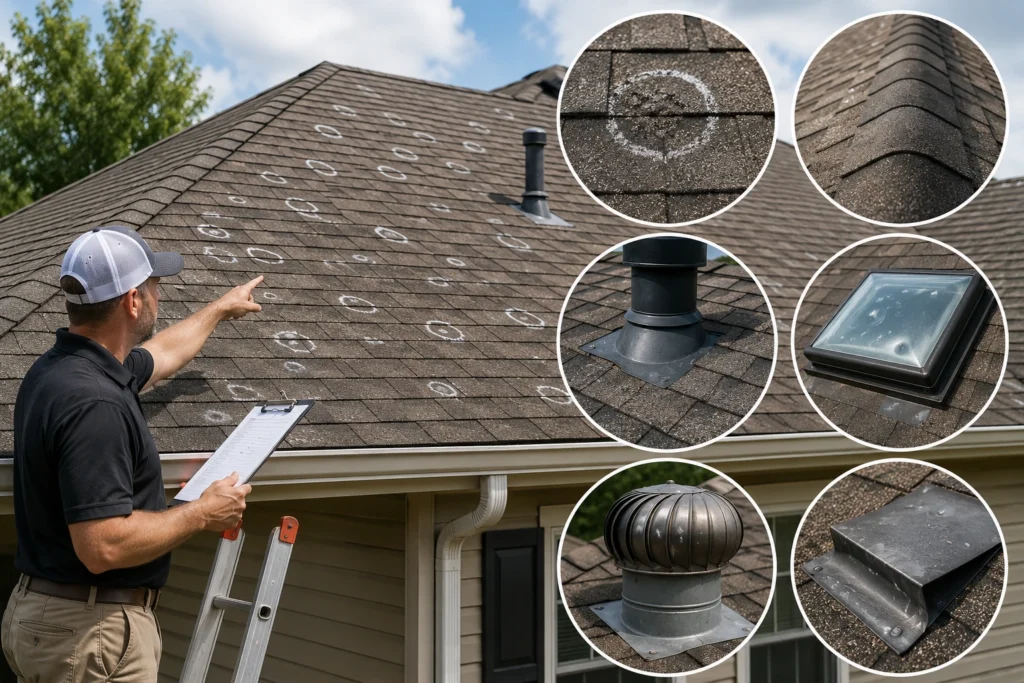
When severe hail hits Southeast Texas, property owners often find themselves facing a critical decision: Public Adjuster vs. Insurance Adjuster for Hail Claims in La Porte, TX. At first glance, the difference may seem minor. After all, both professionals inspect damage and participate in the claims process. However, that assumption can be expensive. The reality is that these two professionals serve very different roles. One works for the insurance company. The other works for the policyholder.
That distinction matters. A lot. In La Porte, where hailstorms can damage roofing systems, siding, gutters, windows, HVAC units, and even interior structures, understanding who represents your interests can dramatically influence the outcome of your claim. Some homeowners receive fair settlements immediately. Others discover missing damage, incomplete scopes, or repair estimates that fall short of actual restoration costs. Knowing the difference between a public adjuster and an insurance adjuster helps you make informed decisions before signing paperwork, accepting settlements, or beginning repairs. Let’s break it all down.
Understanding the Hail Claim Process in Texas
Before comparing adjusters, it helps to understand what happens after hail damage occurs. The process usually follows a familiar path. A storm strikes. Damage is discovered. The insurance company is notified. An inspection is scheduled. A settlement offer eventually arrives. Simple in theory. Complicated in practice. Most homeowners only experience a major hail claim once or twice in their lifetime. Insurance carriers handle thousands every year. That experience gap can create challenges.
The standard hail claim process typically includes:
- Reporting the loss
- Scheduling an inspection
- Damage documentation
- Coverage review
- Estimate preparation
- Settlement determination
- Repair negotiations
- Claim Supplement review if needed
While every claim is unique, disagreements often arise regarding the scope of damage, repair pricing, code requirements, and replacement needs. That is where adjusters become important.
Common Challenges During Hail Claims

Not every hail claim goes smoothly. In fact, many disputes stem from issues that are entirely preventable.
Common claim challenges include:
- Missing roof damage
- Incomplete inspections
- Underestimated labor costs
- Outdated pricing databases
- Building Envelope code upgrades
- Interior water damage omissions
- Delayed communication
- Denied portions of claims
Large storms often create overwhelming claim volumes. When hundreds or thousands of properties are damaged simultaneously, inspections can become rushed. Even highly experienced adjusters face time constraints. As a result, some damage simply gets overlooked.
What Is an Insurance Adjuster?
An insurance adjuster is the individual assigned by the insurance company to evaluate your claim. Their job is to investigate the loss, assess damages, determine coverage, and recommend a settlement amount based on policy terms. There are generally two types.
Staff Adjusters
Staff adjusters are employees of the insurance carrier. They work directly for the company.
Their responsibilities include:
- Inspecting damaged property
- Reviewing policies
- Creating estimates
- Determining covered damages
- Reporting findings
Independent Adjusters
Independent adjusters are not direct employees of the carrier. Instead, they are contracted by insurance companies, particularly during major catastrophe events. Although they work independently, they still represent the insurance carrier that hired them. The distinction matters. Whether staff or independent, their client remains the insurance company.
What Insurance Adjusters Do During Hail Claims
Insurance adjusters play an important role in the claims process. Without them, claims could not move forward.
Typical responsibilities include:
- Conducting property inspections
- Taking photographs
- Measuring damaged areas
- Reviewing weather information
- Evaluating policy coverage
- Preparing estimates
- Recommending settlement values
Many insurance adjusters are skilled professionals who work diligently to evaluate losses fairly. However, they still operate within company procedures, guidelines, and claim-handling frameworks. That structure influences how claims are evaluated.
Advantages of Working With the Insurance Adjuster
It is important to recognize the benefits insurance adjusters provide. They are not automatically adversaries. Advantages include:
No Additional Cost
The carrier pays the adjuster. Homeowners do not receive separate invoices.
Immediate Access
Once a claim is filed, the inspection process generally begins quickly.
Established Procedures
Insurance companies have systems in place to process claims efficiently. For straightforward losses, those systems often work well.
Claim Authority
Insurance adjusters can initiate settlement recommendations and move claims toward resolution. For smaller claims, this may be all that is needed.
Potential Limitations of Insurance Adjusters
Despite their value, limitations exist. These limitations are often tied to workload rather than individual ability. Following large hailstorms, adjusters may inspect multiple properties daily. That pace can create challenges.
Potential issues include:
- Limited inspection time
- Heavy claim volume
- Overlooked damages
- Scope disagreements
- Pricing disputes
- Communication delays
Consider roofing systems. Hail impacts may appear minor from ground level yet reveal extensive granule loss and compromised materials upon closer inspection. Small details matter. Missing those details can significantly affect claim values.
What Is a Public Adjuster?
Now we come to the other side of the comparison. A public adjuster is a licensed claims professional who represents the policyholder rather than the insurance company. Their role is fundamentally different. Instead of evaluating claims on behalf of a carrier, they advocate for the property owner. This distinction is the heart of the Public Adjuster vs. Insurance Adjuster for Hail Claims in La Porte, TX discussion. One works for the insurer. One works for you. That difference influences every aspect of the claim.
What Public Adjusters Actually Do
Public adjusters often become involved when:
- Claims are large
- Damage is extensive
- Settlement disputes arise
- Denials occur
- Underpayments are suspected
Their services may include:
- Reviewing insurance policies
- Inspecting property damage
- Documenting losses
- Creating detailed estimates
- Coordinating supporting evidence
- Managing communications
- Negotiating claim settlements
Many property owners hire public adjusters because they simply do not have the time or expertise necessary to navigate a complex claim. Insurance language can be confusing. Repair pricing can be difficult to evaluate. Negotiations can become frustrating. Public adjusters help bridge those gaps.
How Public Adjusters Are Paid
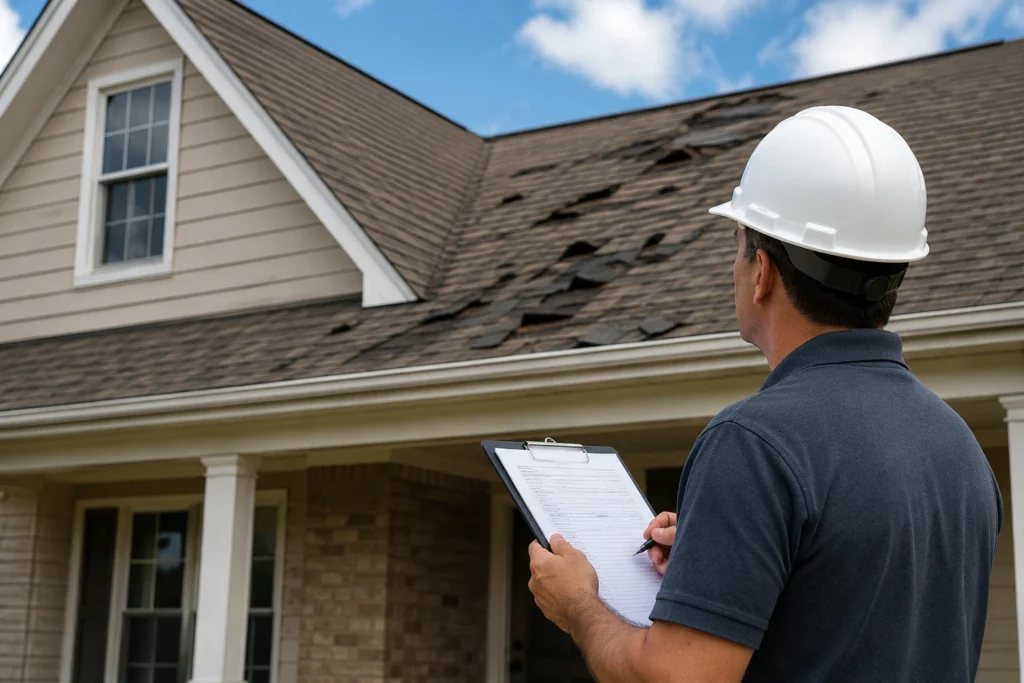
Unlike insurance adjusters, public adjusters are hired directly by the policyholder. Most work on a contingency fee basis. That means compensation is generally tied to the claim recovery. While fee structures vary, homeowners should always review agreements carefully and fully understand compensation terms before signing. Transparency matters.The best professionals welcome questions.
Public Adjuster vs. Insurance Adjuster for Hail Claims in La Porte, TX: Side-by-Side Comparison
The easiest way to understand the distinction is through a direct comparison.
| Factor | Insurance Adjuster | Public Adjuster |
|---|---|---|
| Represents | Insurance Company | Policyholder |
| Hired By | Insurance Carrier | Property Owner |
| Paid By | Insurance Carrier | Property Owner |
| Primary Goal | Evaluate Claim | Advocate for Policyholder |
| Negotiates For | Insurance Company | Homeowner |
| Policy Analysis | Limited | Extensive |
| Damage Documentation | Yes | Yes |
| Settlement Discussions | Yes | Yes |
| Claim Management | Partial | Comprehensive |
This table summarizes the fundamental difference. Representation. Everything else flows from that.
Why Representation Is So Important
Many homeowners assume everyone involved in the claim process shares the same objective. Unfortunately, that assumption is often inaccurate. Each participant has different responsibilities. Contractors focus on repairs. Insurance adjusters evaluate claims for carriers. Public adjusters advocate for policyholders. Understanding those roles creates realistic expectations. It also helps prevent misunderstandings. When significant hail damage affects a property, differing opinions regarding repair scope are not uncommon. Roof replacement versus repair. Code upgrades versus basic restoration. Matching issues. Interior damages. The list goes on. Having someone solely focused on your interests can be valuable when those disagreements arise.
A Realistic La Porte Hail Claim Scenario
Imagine a severe hailstorm moves through La Porte. The roof sustains damage. Gutters are dented. Several windows show impact marks. The homeowner files a claim. An inspection occurs. An estimate arrives. At first glance, everything appears reasonable. Then a roofing contractor identifies additional damage. Vent caps require replacement.
Flashing shows impact damage. Several slopes have repairability concerns. The attic reveals signs of moisture intrusion. Suddenly, the original estimate may no longer reflect the full scope of loss. This scenario happens more often than many property owners realize. And it highlights why thorough documentation matters. Public Adjuster vs. Insurance Adjuster
FAQs
An insurance adjuster represents the insurance company, while a public adjuster represents the policyholder during the claims process.
It depends on the complexity and value of the claim. Larger or disputed claims often benefit from professional representation.
No outcome is guaranteed, but a public adjuster may help identify overlooked damages and support a more complete claim evaluation.
Yes. Property owners can hire a public adjuster at various stages of the claims process, including after an inspection has already occurred.
Roofing components, flashing, gutters, siding, HVAC units, and hidden water damage are sometimes overlooked during initial evaluations.
They are requests for additional claim funds when new damage or necessary repairs are discovered after the original estimate is prepared.
Most public adjusters work on a contingency fee basis, meaning their compensation is generally tied to the claim recovery.
Yes. Homeowners can provide additional documentation, request further review, or seek professional assistance if they disagree with the estimate.
For smaller, straightforward hail claims with clear damage and fair settlement offers, the insurance adjuster may be sufficient.
Photos, reports, measurements, and repair estimates help support the extent of damage and strengthen the claim evaluation process.