

When homeowners receive an insurance estimate after a hailstorm, many assume the process is nearly finished. The carrier inspected the property, generated a scope, and issued a payment. Problem solved. Not always. In reality, Hail Damage Claim Supplements: What Carriers Miss in Their Scope is one of the most important conversations property owners can have after a storm. Initial estimates often miss legitimate repair items, code-required upgrades, labor charges, and hidden damage that may not become visible until work begins.
The result? Homeowners can be left with thousands of dollars in uncovered repair costs if missing items are never identified and submitted properly. This is where Xactimate expertise becomes incredibly valuable. A detailed review of the carrier’s estimate often reveals overlooked line items, inaccurate quantities, and missing components that directly affect the true cost of restoring the property. For many property owners in La Porte and throughout Texas, supplements are not unusual. They are simply part of creating an accurate claim. Let’s look at why supplements happen, what carriers commonly miss, and how proper Xactimate estimating can help ensure a property is restored correctly.
Understanding Hail Damage Claim Supplements
Before discussing missed scope items, it helps to understand exactly what a supplement is. A claim supplement is an additional request for payment submitted after the original estimate has been reviewed and deficiencies are identified.
The supplement may include:
- Missing materials
- Additional labor costs
- Building code upgrades
- Hidden damage
- Measurement corrections
- Pricing discrepancies
Think of the original estimate as the first chapter of the story. The supplement often reveals the rest. Insurance carriers generally create their estimates based on what can be observed during an inspection. However, inspections occur under time constraints, especially following major hail events when adjusters may be evaluating dozens of properties each week. Because of that reality, omissions happen. The supplement process exists to correct those omissions.
Why Supplements Are So Common After Hailstorms
Many homeowners are surprised when contractors or public adjusters mention the need for a supplement. Yet supplements are extremely common in hail claims.
Why? Because hail damage claims involve many variables. Roof systems are complex. Multiple layers of materials work together to protect the structure. Some components are visible. Others are not. Many issues remain hidden until construction begins.
A roof inspection may reveal damaged shingles, but it may not reveal:
- Deteriorated decking
- Hidden flashing issues
- Improper ventilation
- Code deficiencies
- Fastener problems
- Moisture intrusion
Once those conditions are discovered, additional scope items become necessary. The goal is not to inflate a claim. The goal is to create an accurate scope.
Why Carrier Estimates Frequently Miss Damage
Insurance adjusters face a difficult job. Following a major storm, carriers often deploy catastrophe teams to inspect large numbers of properties within a short period of time. Speed becomes a priority. Unfortunately, speed can sometimes come at the expense of detail.
High Claim Volume Creates Pressure
After a widespread hailstorm, adjusters may inspect multiple roofs every day. Under those circumstances, inspections often focus on identifying obvious damage rather than documenting every repair requirement.
As a result:
- Small items may be overlooked
- Secondary damage may go undocumented
- Code upgrades may not be included
- Measurements may contain errors
These omissions can significantly impact claim value.
Remote Estimating Is Becoming More Common
Technology has improved claim handling. However, remote estimating introduces its own challenges.
Many carriers now utilize:
- Satellite imagery
- Aerial measurements
- Photo reviews
- Desk adjusters
While these tools are useful, they cannot replace a comprehensive on-site evaluation. Photos rarely tell the entire story.
Scope Compression
Another common issue is scope compression. This occurs when the estimate includes only the most visible repairs while excluding related components necessary for proper restoration. The roof replacement may be listed. The accessories required to complete that replacement may not. That difference matters.
Understanding Xactimate’s Role in Hail Claims
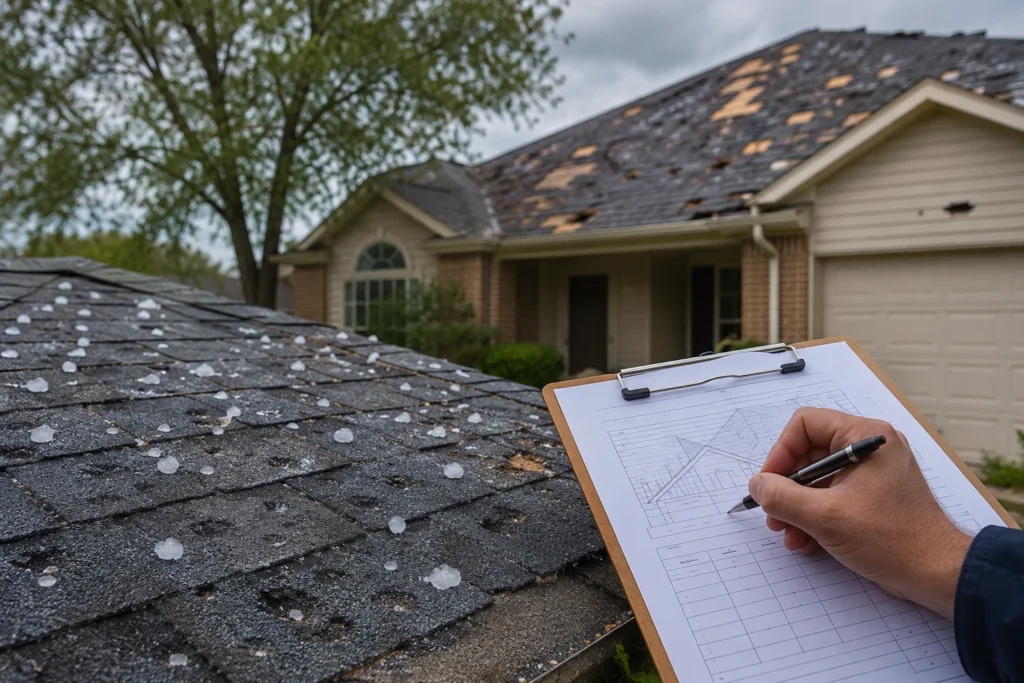
Xactimate is the estimating platform used throughout the property insurance industry. Carriers use it. Contractors use it. Public adjusters use it. Appraisers use it. In many ways, Xactimate serves as the common language of property claims.
Why Xactimate Matters
A supplement supported by a properly prepared Xactimate estimate carries credibility because it uses the same pricing framework many insurance companies rely upon.
That allows reviewers to compare:
- Labor costs
- Material pricing
- Quantities
- Waste factors
- Equipment requirements
The discussion becomes less about opinions and more about documented scope differences.
Software Does Not Equal Expertise
This distinction is critical. Anyone can purchase software. Not everyone understands how to build an accurate estimate.
True Xactimate expertise involves:
- Understanding roof systems
- Knowing manufacturer requirements
- Understanding local building codes
- Selecting correct line items
- Applying proper quantities
The software is simply a tool. The estimator creates the value.
Roofing Components Carriers Commonly Miss
One of the largest sources of supplemental payments involves roofing accessories. These items may seem minor individually. Collectively, they can represent substantial costs.
Starter Shingles
Starter shingles provide critical wind resistance along roof edges. Many estimates overlook them completely or underestimate required quantities. Without proper starter installation, roof performance can suffer.
Ridge Cap Shingles
Ridge caps protect roof peaks and ridges. Because they differ from field shingles, they often require separate line items. Missing ridge cap charges are extremely common.
Hip Cap Materials
Hip roofs require additional materials and labor. When omitted, claim values can be affected significantly.
Valley Materials
Valleys are among the most vulnerable areas of a roofing system.
Repair requirements may include:
- Valley metal
- Woven valleys
- Closed-cut valleys
- Underlayment upgrades
Failure to account for these components creates incomplete estimates.
Drip Edge
Many older roofs lack modern drip edge systems. When replacement work triggers code compliance requirements, drip edge installation may become mandatory. Yet many carrier scopes fail to include it initially.
Underlayment Issues Frequently Generate Supplements
The shingles receive most of the attention. The underlayment often receives far less. That is a mistake. Underlayment serves as a critical moisture barrier beneath the roof covering.
Common supplement items include:
| Underlayment Type | Common Issue |
|---|---|
| Synthetic Underlayment | Missing from estimate |
| Felt Underlayment | Underestimated quantity |
| Ice and Water Barrier | Not included |
| Peel-and-Stick Products | Code requirements omitted |
When underlayment requirements are overlooked, the original estimate may fall well short of actual repair costs.
Ventilation Components Often Get Overlooked
Ventilation affects both roof performance and attic health.
Improper ventilation can lead to:
- Excess heat buildup
- Moisture accumulation
- Reduced shingle lifespan
During roof replacement, ventilation deficiencies frequently become apparent.
Common supplemental items include:
- Ridge vents
- Turtle vents
- Power vents
- Turbine vents
- Ventilation balancing adjustments
Many initial scopes focus exclusively on shingles while overlooking these important systems.
Flashing Components: Small Items, Big Impact
Flashing prevents water intrusion around vulnerable roof penetrations. It is one of the most important parts of a roofing system. Yet flashing items are regularly omitted from carrier estimates.
Examples include:
- Step flashing
- Counter flashing
- Chimney flashing
- Wall flashing
- Pipe jack flashing
Replacing roofing materials without addressing damaged flashing can create future leak risks. That is why detailed Xactimate review is essential.
Gutters and Soft Metals Deserve Closer Inspection
Hail rarely damages only shingles. Soft metals often reveal impacts more clearly than roofing materials. These components can provide valuable evidence of storm severity.
Inspectors should evaluate:
- Gutters
- Downspouts
- Roof vents
- Flashing
- Exhaust caps
- Turbine vents
Dents and impacts may justify replacement even when roofing damage appears less obvious. When these items are excluded from the original estimate, supplements become necessary.
Hidden Damage That Appears After Construction Begins
Some of the most significant supplement approvals occur after tear-off operations begin. Why? Because certain conditions cannot be observed beforehand. Once shingles are removed, additional issues may become visible.
Examples include:
- Rotten decking
- Delaminated wood
- Moisture damage
- Structural deterioration
- Fastener failures
These discoveries often require immediate corrective action. No responsible contractor can ignore them. Consequently, supplemental documentation becomes necessary to secure additional funding.
Building Codes: One of the Largest Sources of Supplemental Recovery
Building codes change over time. Many older properties no longer meet current standards. When roof replacement occurs, local regulations may require upgrades. This becomes especially important when evaluating hail claims in La Porte, where code compliance can substantially affect project costs.
Common code-related supplements include:
- Drip edge installation
- Enhanced fastening patterns
- Updated ventilation standards
- Ice barrier requirements
- Deck attachment upgrades
The original estimate may only address damaged materials. The supplement addresses what is required to rebuild properly and legally.
A well-supported code supplement often includes:
- Municipal requirements
- Manufacturer specifications
- Inspection findings
- Engineering support
Those documents transform opinions into evidence. As claims become more technical, documentation becomes increasingly important. Interestingly, accurate claim analysis often resembles an exercise in complex systems evaluation. In fields such as Topology, professionals examine how interconnected components influence an entire structure. Roof systems function similarly. Every component affects the performance of the whole system, which is why overlooking even small items can create significant estimating errors.
Labor Costs Carriers Often Underestimate

Materials matter. Labor matters just as much. One of the most overlooked areas in many carrier estimates involves labor-related charges. Even when the correct materials appear in the scope, the estimate may not fully account for the effort required to install them safely and correctly.
Steep Roof Charges
Not all roofs are created equal. A low-slope roof is far different from a steep roof that requires specialized safety equipment and additional labor hours.
Steep roofs often require:
- Additional setup time
- Enhanced fall protection
- Slower installation methods
- Increased crew safety measures
When steep charges are omitted, the estimate may fail to reflect actual production costs.
High Roof Charges
Height creates another challenge. A two-story structure generally requires more labor and equipment than a single-story property.
Common factors include:
- Ladder access
- Material handling
- Debris removal
- Safety compliance
These costs are legitimate components of restoration and frequently appear in supplements.
Complex Roof Designs
Some roofs are simple. Others look like puzzles. Multiple hips, valleys, dormers, and transitions increase labor requirements significantly. Roofers must make more cuts, install more accessories, and spend additional time navigating the structure. Complexity increases cost. Unfortunately, many initial estimates fail to fully recognize that reality.
The Documentation That Wins Supplements
A supplement is only as strong as the evidence supporting it. This is where many claims succeed or fail. The strongest supplement packages are organized, detailed, and easy for carriers to review.
Photo Documentation
Photographs should tell the story.
Good documentation typically includes:
- Overall roof views
- Close-up hail impacts
- Damaged accessories
- Flashing conditions
- Ventilation components
- Interior damage if present
The goal is clarity. If a reviewer can immediately understand the issue from the photographs, approval becomes easier.
Accurate Measurements
Measurement errors are more common than many property owners realize.
Even small discrepancies can affect:
- Shingle quantities
- Waste calculations
- Ridge measurements
- Valley measurements
- Drip edge quantities
A comprehensive roof report often uncovers differences that justify additional compensation.
Building Code Support
Code-related supplements should never rely on assumptions.
Supporting documentation may include:
- Municipal code references
- Building department requirements
- Manufacturer installation standards
- Inspection reports
When code requirements are documented properly, carriers often have little basis for dispute.
Step-by-Step Supplement Process
Many homeowners hear the word “supplement” and assume it means conflict. That is not necessarily true. A supplement is simply a request to address missing or newly discovered items. The process is usually straightforward when supported by evidence.
Step 1: Review the Original Estimate
Start with the carrier’s scope.
Compare it against:
- Actual property conditions
- Contractor findings
- Roof measurements
- Building code requirements
The goal is identifying omissions.
Step 2: Conduct a Detailed Inspection
A second review often reveals important differences.
Inspectors should evaluate:
- Roofing materials
- Flashing systems
- Gutters
- Ventilation
- Decking conditions
- Interior areas affected by leaks
This stage frequently uncovers items missed during the original inspection.
Step 3: Create a Comprehensive Xactimate Estimate
This is where expertise matters.
An accurate estimate should include:
- Correct line items
- Proper quantities
- Current pricing
- Labor requirements
- Applicable code upgrades
Every item must be supported. Every quantity must be defensible.
Step 4: Assemble Supporting Documentation
Documentation commonly includes:
| Documentation Type | Purpose |
|---|---|
| Photos | Visual proof |
| Roof Reports | Measurement verification |
| Contractor Findings | Construction support |
| Code References | Compliance justification |
| Manufacturer Requirements | Installation standards |
The stronger the documentation, the stronger the supplement.
Step 5: Submit and Negotiate
Carriers review the information and compare it to their original scope.
In many cases, discussions focus on:
- Scope differences
- Quantities
- Code applicability
- Labor requirements
Well-prepared supplements often resolve these issues efficiently because the evidence speaks for itself.
Step 6: Receive Supplemental Payment
Once approved, additional funds are issued. Those funds help ensure the property is restored properly rather than repaired based on an incomplete estimate.
Real-World Examples of Common Supplement Recoveries
While every claim is different, certain supplement scenarios appear repeatedly.
Missing Drip Edge and Flashing
Original estimate:
- Shingles
- Basic tear-off
- Basic disposal
Supplement identifies:
- Drip edge requirements
- Step flashing replacement
- Counter flashing replacement
Result:
The revised scope more accurately reflects the work required to complete the project.
Code Upgrade Discovery
Original estimate includes replacement materials only.
Supplement identifies:
- Updated fastening requirements
- Ventilation upgrades
- Code-mandated drip edge
Result:
Additional funds are approved to satisfy current building standards.
Decking Damage Found During Tear-Off
Before construction:
- Decking damage not visible
After tear-off:
- Water damage discovered
- Deck replacement required
Result:
Supplement submitted with photographs and contractor documentation. Additional payment approved. This scenario occurs frequently because hidden conditions cannot always be observed before work begins.
What to Do If Your Hail Claim Was Denied
Sometimes the issue is not an underpaid estimate. Sometimes the claim is denied altogether. That does not necessarily mean the discussion is over. In fact, understanding What to Do If Your Hail Claim Was Denied can be just as important as understanding supplements.
Property owners should consider:
- Reviewing the denial letter carefully
- Comparing the carrier’s findings with independent inspections
- Gathering additional documentation
- Requesting clarification regarding disputed findings
- Seeking professional evaluation of the property
Many denied claims involve questions regarding damage causation, scope, or documentation. Additional evidence can sometimes change the outcome.
Why Xactimate Expertise Creates Better Outcomes
Software alone does not create results. Knowledge does. Experienced estimators understand how roofing systems function, how carriers evaluate claims, and how to build estimates that withstand scrutiny.
Accurate Scope Development
The best estimates account for:
- Materials
- Labor
- Code requirements
- Accessories
- Hidden conditions
Accuracy protects everyone involved.
Better Communication
Using Xactimate creates a common framework for discussion. Instead of debating opinions, parties can focus on documented scope differences. That often leads to faster resolutions.
Stronger Documentation
Professional estimates are supported by:
- Measurements
- Photos
- Code references
- Industry standards
This level of detail improves credibility.
More Complete Restoration
Ultimately, supplements are not about maximizing numbers. They are about restoring property correctly. When legitimate costs are overlooked, property owners may be forced to absorb expenses that should have been considered during claim evaluation.
Special Considerations for Property Owners in La Porte
Properties in La Porte face unique challenges. Coastal weather, humidity, wind exposure, and recurring storm activity can all influence roof conditions before and after a hail event. Because of these factors, detailed inspections become especially important.
A roof that appears straightforward from the ground may contain:
- Prior storm-related wear
- Ventilation deficiencies
- Moisture intrusion
- Aging accessories
- Hidden flashing concerns
For property owners in La Porte, overlooking these conditions can create significant differences between an initial estimate and the actual cost of repairs. That is why supplement reviews often uncover important missing items. In many cases, a detailed Xactimate analysis identifies costs that were not included during the first inspection. For homeowners and business owners throughout La Porte, that additional review can make a meaningful difference in claim accuracy.
When Professional Help May Be Beneficial
Not every claim requires extensive dispute resolution. However, certain warning signs suggest a closer review may be worthwhile.
Consider a professional scope review when:
- The estimate appears unusually low
- Important roof components are missing
- Code upgrades are absent
- Contractors identify additional damage
- Hidden conditions emerge during construction
- Measurements appear inaccurate
A second review often provides valuable insight into whether the original estimate fully addresses the property’s needs.
The Initial Scope Is Rarely the Final Story
The biggest mistake homeowners make after a hailstorm is assuming the first estimate is automatically complete. Sometimes it is. Often it is not. That is precisely why Hail Damage Claim Supplements: What Carriers Miss in Their Scope remains such an important topic. Carrier estimates are created under real-world constraints. Adjusters work quickly. Storm volumes are high. Hidden conditions exist. Building codes evolve.
As a result, legitimate omissions occur. Supplements provide a mechanism for correcting those omissions through evidence, documentation, and accurate estimating. When supported by strong Xactimate expertise, supplements help bridge the gap between the initial estimate and the actual cost of restoring a property. For property owners, that can mean the difference between a partial repair and a complete restoration. And after a hailstorm, complete restoration should always be the goal.
FAQs
A hail damage claim supplement is a request for additional insurance funds when legitimate repair items were missed in the original estimate.
Adjusters often work under time constraints and may not identify hidden damage, code upgrades, or all necessary roofing components during the initial inspection.
Yes. Supplements are common because additional damage or repair requirements are often discovered after a more detailed inspection or during construction.
Xactimate is the estimating software widely used in the insurance industry to create and review repair estimates and supplemental claims.
Yes. If hidden damage is discovered during tear-off or construction, it can typically be documented and submitted as a supplement.
Many policies provide coverage for code-required upgrades when applicable, though coverage depends on policy language and endorsements.
Timelines vary by carrier, but many supplements are reviewed within days to a few weeks once proper documentation is submitted.
If legitimate missing items are identified and approved, a supplement can result in additional claim funds.
Photographs, contractor reports, roof measurements, code references, and Xactimate estimates are among the most effective supporting documents.
Absolutely. Reviewing the estimate early can help identify missing items before construction begins and reduce delays later in the project.